
The endocrine system plays a vital role in regulating various physiological processes during exercise. This system consists of glands that secrete hormones into the bloodstream to control functions such as metabolism, energy production, stress response, and muscle growth. The response of the endocrine system to exercise helps your body adapt to physical activity and promotes recovery.
1. Stress Response (Fight-or-Flight)
- Adrenaline (Epinephrine) and Noradrenaline (Norepinephrine):
- Role during exercise: These hormones are released by the adrenal glands in response to physical stress, such as exercise. They prepare the body for increased activity by boosting heart rate, blood flow to muscles, and energy production.
- Effect: Adrenaline and norepinephrine increase heart rate, expand airways to improve oxygen intake, and enhance the breakdown of glycogen and fats for immediate energy use. This enables the body to perform at higher intensities during physical exertion.
- Cortisol:
- Role during exercise: Cortisol, the primary stress hormone, is released in response to physical or mental stress. During exercise, cortisol helps mobilize energy stores by increasing blood sugar levels and breaking down protein and fat.
- Effect: Cortisol ensures that the body has sufficient energy for sustained physical activity, especially during prolonged or intense exercise. However, prolonged high levels of cortisol (from excessive exercise or insufficient recovery) can lead to muscle breakdown and immune suppression.
2. Energy Regulation and Metabolism
- Insulin:
- Role during exercise: Insulin helps regulate blood sugar levels by promoting the uptake of glucose into cells for energy. During exercise, insulin sensitivity increases, meaning the body becomes more efficient at using glucose.
- Effect: During moderate exercise, the body uses glucose for energy. Insulin’s role is to ensure that glucose is absorbed into muscle cells to fuel exercise. After exercise, insulin levels remain elevated for a short period to help replenish glycogen stores in muscles and the liver.
- Glucagon:
- Role during exercise: Glucagon is released by the pancreas to counterbalance insulin. It stimulates the liver to release stored glucose (glycogen) into the bloodstream, ensuring a steady supply of energy during prolonged exercise.
- Effect: As exercise intensity increases and glycogen stores deplete, glucagon helps maintain blood sugar levels by promoting the release of glucose, allowing the body to continue working at higher intensities.
- Growth Hormone (GH):
- Role during exercise: Growth hormone is released from the pituitary gland, especially during high-intensity or resistance training. It stimulates the growth and repair of muscle tissue and promotes fat breakdown.
- Effect: GH plays a major role in post-exercise muscle recovery by stimulating protein synthesis and muscle growth. It also helps with the mobilization of fat stores, making it easier for the body to use fat as an energy source during exercise.
3. Muscle Growth and Repair
- Testosterone:
- Role during exercise: Testosterone, a key anabolic (muscle-building) hormone, is released by the gonads (testes in males and ovaries in females) and is vital for muscle growth and strength. It promotes protein synthesis and helps muscles recover after exercise.
- Effect: Testosterone levels increase during resistance exercise, particularly strength training. This leads to increased muscle size, strength, and recovery capacity. Testosterone also helps reduce the breakdown of muscle tissue, enhancing the repair process post-workout.
- Estrogen:
- Role during exercise: Estrogen, a key hormone in females, can affect exercise performance and recovery. It helps preserve bone density and has a role in protecting muscles from damage during exercise.
- Effect: Estrogen levels fluctuate throughout the menstrual cycle, and during certain phases (like the follicular phase), exercise recovery may be enhanced due to the hormone’s anti-inflammatory effects. Estrogen also helps modulate the immune response, which is important for post-exercise recovery.
4. Hydration and Electrolyte Balance
- Aldosterone:
- Role during exercise: Aldosterone, a hormone secreted by the adrenal glands, helps regulate electrolyte and fluid balance by promoting sodium retention in the kidneys.
- Effect: During exercise, especially in hot environments or long durations, aldosterone helps conserve sodium and maintain blood pressure, which helps to prevent dehydration and maintain muscle function.
- Antidiuretic Hormone (ADH):
- Role during exercise: ADH, also known as vasopressin, helps regulate water balance by promoting water reabsorption in the kidneys.
- Effect: When you exercise and sweat, ADH is released to prevent excessive fluid loss by helping the kidneys retain water. This is especially important during prolonged or intense exercise to maintain hydration.
5. Inflammation and Recovery
- Cytokines:
- Role during exercise: Cytokines are signaling proteins that are part of the body’s immune response. They are released during and after exercise as part of the inflammation process, which plays a role in muscle repair and adaptation.
- Effect: While moderate inflammation is necessary for muscle growth and recovery, excessive inflammation (due to overtraining or inadequate recovery) can delay recovery. Hormones like cortisol help modulate the level of inflammation during exercise and recovery.
6. Adapting to Training and Improving Performance
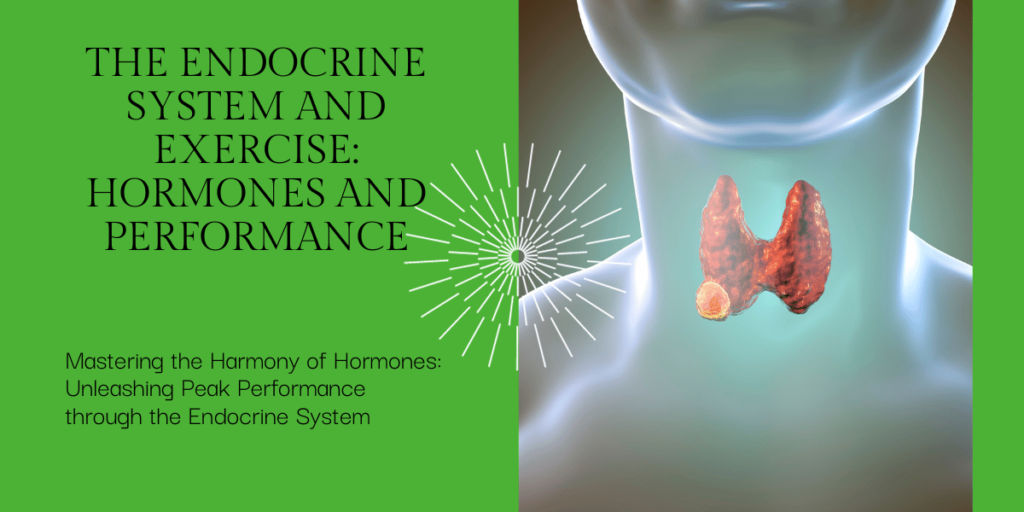
- Thyroid Hormones (T3 and T4):
- Role during exercise: Thyroid hormones regulate metabolism and energy expenditure. During exercise, they help ensure the body uses energy efficiently and supports muscle function.
- Effect: Regular physical activity helps improve thyroid function, which in turn boosts metabolism and energy levels, aiding endurance and performance. Proper thyroid function is essential for maintaining body temperature, energy levels, and overall metabolic balance during exercise.
7. Endocrine Adaptations to Exercise
- Chronic Exercise Adaptations: Over time, regular exercise leads to hormonal adaptations that improve efficiency and performance. For example, the body becomes more efficient at releasing energy stores (like glycogen and fat) during exercise, and the endocrine system adapts to improve muscle recovery and growth.
- Reduced Stress Response: With regular training, the body’s stress response (including cortisol release) becomes more efficient. This means the body is better able to handle physical exertion without excessive stress hormone release, which can reduce the risk of overtraining and burnout.
Conclusion:
The endocrine system plays an essential role in regulating energy balance, muscle growth, stress response, and recovery during exercise. The release of various hormones—like adrenaline, cortisol, insulin, growth hormone, and testosterone—helps the body meet the demands of physical activity, improve performance, and recover effectively. Proper training, nutrition, and recovery allow the endocrine system to adapt, enhancing your overall fitness and performance. Understanding how hormones influence exercise can help you tailor your workouts and recovery strategies for better results.