
Holistic healing is deeply rooted in cultural perspectives, and understanding these cultural contexts can provide valuable insights into how different societies approach health and well-being.
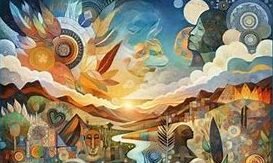
Indigenous Cultures
Indigenous cultures often have a holistic view of health, seeing it as an interconnected balance of physical, emotional, spiritual, and social well-being. Healing practices may involve:
- Rituals and Ceremonies: These are often communal events that restore harmony and balance.
- Connection to Nature: Many indigenous healing practices emphasize the importance of being connected to the land, ancestors, and community.
- Traditional Healers: Shamans, medicine men and women, and spiritual leaders play crucial roles in facilitating healing.
Eastern Cultures
Eastern cultures, influenced by philosophies like Buddhism, Hinduism, and Taoism, approach holistic healing with a focus on inner peace, balance, and spiritual growth. Key practices include:
- Mindfulness and Meditation: These practices are central to managing trauma and promoting mental well-being.
- Karma and Dharma: Concepts of karma (the law of cause and effect) and dharma (one’s duty or path) influence how individuals perceive and respond to trauma.
- Community Support: Emphasis on familial and communal support systems in the healing process.
African Cultures
In many African cultures, trauma and healing are understood as both individual and collective experiences. Key aspects include:
- Ubuntu Philosophy: The principle of Ubuntu, meaning “I am because we are,” highlights the interconnectedness of all people.
- Rituals and Traditional Medicine: Use of traditional rituals, herbal medicine, and the guidance of healers and elders.
Western Cultures
Western cultures have traditionally approached health from a biomedical perspective, focusing on the absence of disease. However, there is a growing recognition of the importance of holistic health, which considers the interconnectedness of mind, body, and spirit3. This perspective emphasizes addressing all aspects of an individual for optimal well-being.
Conclusion:
Understanding holistic healing from a cultural perspective reveals the diverse ways in which different societies approach health and well-being. By recognizing and respecting these cultural practices, we can gain a deeper appreciation for the rich tapestry of healing traditions around the world.