
Holistic treatments for skin conditions focus on natural methods that support the body’s overall health, often addressing the root causes of the skin issue. These treatments may involve lifestyle changes, dietary adjustments, stress management, and the use of natural remedies
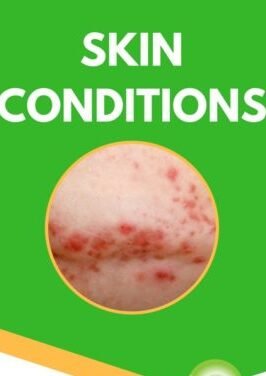
1. Acne
- Dietary Adjustments: A diet rich in antioxidants, omega-3 fatty acids, and zinc can help reduce inflammation. Foods like fruits, vegetables, nuts, seeds, and fatty fish may be beneficial. Limiting sugar and dairy intake may also help some individuals.
- Herbal Remedies: Aloe vera gel, tea tree oil, and green tea extract are popular natural remedies for acne due to their antibacterial and anti-inflammatory properties.
- Probiotics: Supporting gut health with probiotics may help balance the microbiome and improve skin health.
- Stress Management: Practicing yoga, meditation, or mindfulness can help reduce stress, which is often a trigger for acne flare-ups.
2. Eczema (Atopic Dermatitis)
- Oatmeal Baths: Colloidal oatmeal can help soothe and moisturize the skin, reducing itching and irritation.
- Coconut Oil: Virgin coconut oil contains lauric acid, which has anti-inflammatory and antimicrobial properties. It can help hydrate and protect the skin.
- Anti-Inflammatory Diet: A diet rich in anti-inflammatory foods like leafy greens, turmeric, and ginger can help reduce flare-ups. Avoiding processed foods and allergens may also be beneficial.
- Herbal Remedies: Calendula, chamomile, and licorice root have been shown to have soothing properties that may alleviate eczema symptoms.
3. Psoriasis
- Omega-3 Fatty Acids: Foods rich in omega-3s, such as flaxseeds, walnuts, and fatty fish, may help reduce inflammation in the body and support skin health.
- Aloe Vera and Coconut Oil: Both are known for their skin-soothing and moisturizing properties, which may help ease the dryness and irritation associated with psoriasis.
- Sunlight Exposure: Moderate sun exposure can help improve psoriasis symptoms, but it is important to do so safely and avoid overexposure to prevent sunburn.
- Herbal Supplements: Milk thistle, turmeric, and aloe vera supplements may have anti-inflammatory effects that help manage psoriasis.
4. Rosacea
- Anti-Inflammatory Diet: Incorporating anti-inflammatory foods like turmeric, ginger, and omega-3 rich foods can help manage rosacea symptoms.
- Green Tea Extract: Green tea has antioxidant and anti-inflammatory properties that can help reduce redness and irritation.
- Lavender and Chamomile Essential Oils: These oils have soothing properties that may help reduce inflammation and redness when diluted and applied topically.
- Probiotics: Supporting gut health with probiotics may help improve skin conditions like rosacea that can be aggravated by gut imbalances.
5. Dry Skin (Xerosis)
- Essential Oils: Oils such as lavender, rose, and chamomile are known to moisturize and soothe dry skin when mixed with a carrier oil.
- Honey: Raw honey is a natural humectant and can help hydrate dry skin while also offering antibacterial properties.
- Hydration: Drinking plenty of water and using a humidifier in dry climates can help prevent moisture loss from the skin.
- Herbal Bath Soaks: Adding herbs like calendula, chamomile, and oat straw to a warm bath can soothe and hydrate dry, irritated skin.
6. Skin Aging
- Antioxidant-Rich Foods: A diet rich in antioxidants from fruits, vegetables, nuts, and seeds can help combat free radicals that contribute to aging skin.
- Vitamin C and E: Both vitamins have skin-brightening and anti-aging properties. Vitamin C can help promote collagen production, while vitamin E is an antioxidant that helps protect the skin from damage.
- Facial Massage and Gua Sha: Regular facial massages using tools like gua sha or jade rollers can promote circulation and reduce the appearance of fine lines.
- Herbal Skincare: Green tea, gotu kola, and rosehip oil are rich in compounds that support collagen production and skin rejuvenation.
7. Hyperpigmentation (Dark Spots)
- Aloe Vera: Known for its skin-healing properties, aloe vera can help lighten dark spots and even out skin tone.
- Licorice Extract: This herbal remedy is often used in holistic treatments to lighten dark spots and reduce hyperpigmentation.
- Vitamin C: Topical application of vitamin C serums can brighten the skin and reduce the appearance of dark spots over time.
- Turmeric: Its anti-inflammatory properties can help lighten hyperpigmented areas when used topically or consumed as part of the diet.
8. Sensitive Skin
- Gentle Skincare Products: Opt for non-irritating, natural ingredients like chamomile, calendula, and aloe vera that calm and soothe the skin.
- Avoid Harsh Chemicals: Steer clear of products with alcohol, artificial fragrances, and strong exfoliants that can strip the skin of its natural oils.
- Dietary Considerations: Avoid food triggers such as spicy foods, caffeine, and alcohol, which may worsen skin sensitivity or rosacea-like symptoms.
9. Contact Dermatitis
- Avoid Irritants: Identifying and avoiding allergens or irritants is key in managing contact dermatitis.
- Oatmeal or Baking Soda Baths: These can help relieve itching and irritation caused by skin contact with allergens.
- Coconut Oil or Calendula Cream: These natural remedies help soothe irritated skin and promote healing.
General Holistic Tips for Healthy Skin:
- Hydration: Drinking adequate water throughout the day helps maintain skin elasticity and overall health.
- Sleep: Quality sleep supports skin repair and rejuvenation.
- Stress Management: Practices like yoga, meditation, and deep breathing can reduce stress, which is often a trigger for skin flare-ups.
- Regular Exercise: Physical activity boosts circulation and helps eliminate toxins through sweating, which can contribute to clearer skin.